Sphere Guide
Sphere Sound, Haptics and 4D
You do not just watch a Sphere show. Your seat, the air and the floor all have parts to play.
Sound that can aim
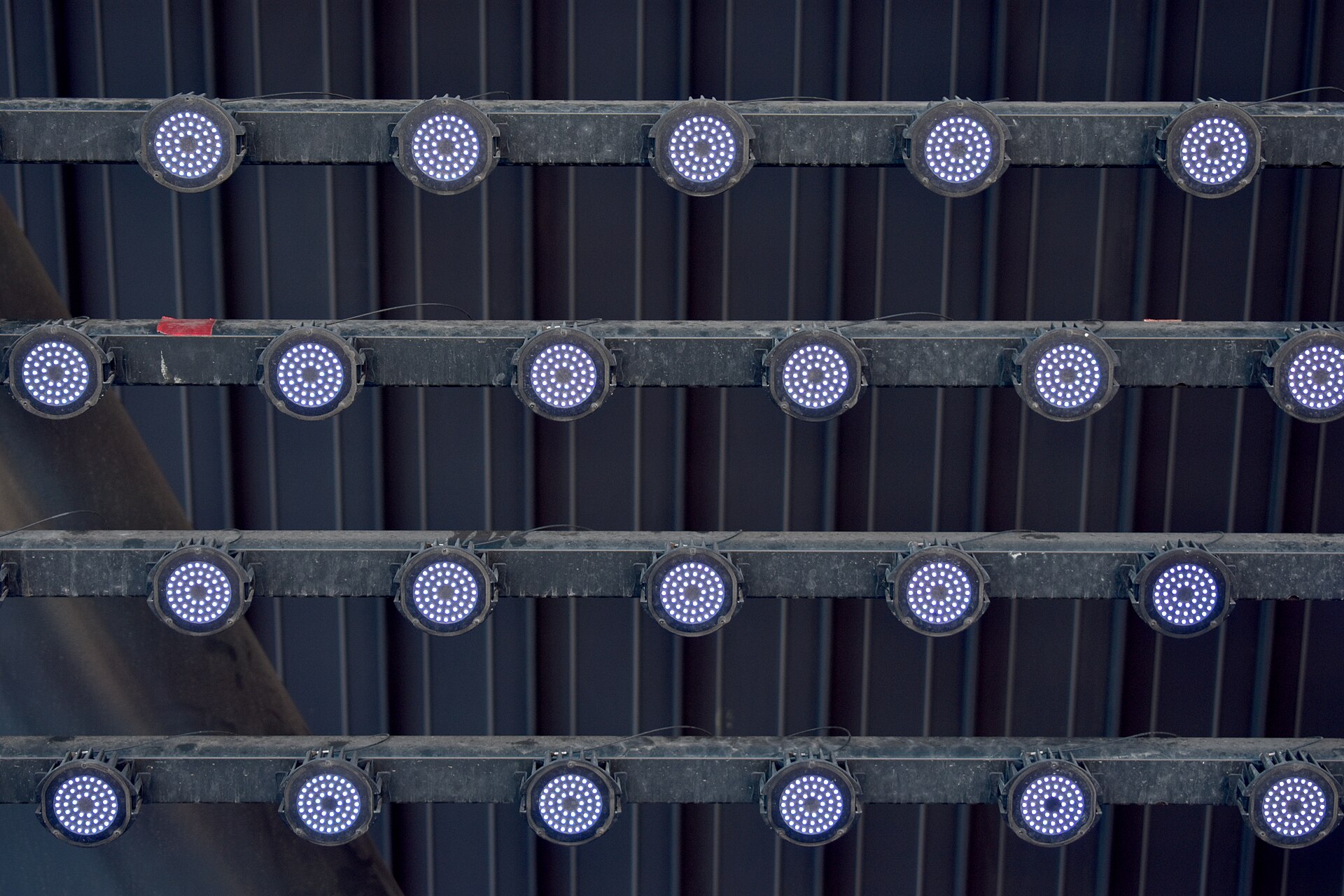
Sphere Immersive Sound, built on HOLOPLOT technology, hides 167,640 speaker drivers behind the screen and uses beamforming and wave field synthesis to steer audio through the room like light from a spotlight. The famous demonstration: dialogue delivered in different languages to different sections at the same time, or a sound that exists only around your seat while the rest of the room hears the score. Every seat gets the mix the artist intended, front row and last row alike.
Seats that move with the show
About 10,000 of Sphere's seats are haptic, fitted with actuators that vibrate, pulse and rumble in sync with the program, fed in part by infrasound: frequencies below the range of hearing that register in your chest rather than your ears. A bass line becomes weather. An explosion becomes a physical event. Most haptic seats are in the 200, 300 and 400 levels; see the seating guide for where they are.
The 4D layer
- Wind: gusts sweep the bowl, most famously inside the Wizard of Oz tornado.
- Scent: themed smells released to match scenes on screen.
- Temperature: the air warms and cools with the imagery.
- Infrasound: subsonic rumble you feel rather than hear.
- Things falling: in Oz, foam apples rain into the audience at the orchard scene.
Quick answers
How many speakers does Sphere have?
167,640 speaker drivers, hidden behind the interior screen, using HOLOPLOT beamforming to aim sound at specific seats.
What are haptic seats at Sphere?
Seats fitted with actuators that vibrate and move in sync with the show. About 10,000 of Sphere's seats are haptic, mostly in the 200, 300 and 400 levels.
Does Sphere have smells and wind?
Yes. The 4D system adds wind, scent and temperature changes, plus infrasound you feel in your chest. The Wizard of Oz tornado sequence uses all of them.